DEMO

CARBON NEUTRAL COMPANY (DEMO)

Seal Of Approval Carbon Neutral Company

corporate benefits Group. Freiwilliger CO2-Ausgleich für Jahr 2024 supports the following UN goals for sustainable development:

barcode Armut beenden Gesundes Leben für alle Gleichstellung der Geschlechter Wasser und Sanitärversorgung für alle Nachhaltige und moderne Energie für alle Nachhaltiges Wirtschaftswachstum und menschenwürdige Arbeit für alle Nachhaltige Konsum- und Produktionsweisen Bekämpfung des Klimawandels und seiner Auswirkungen Landökosysteme schützen

corporate benefits Group. Freiwilliger CO2-Ausgleich für Jahr 2024

Participant ID: DE-3023-0713

Valid until: 15.11.2024

This certificate guarantees that the reported quantity of 850 tons CO2 has been calculated according to Greenhouse Gas Protocol Standard, scopes 1, 2 and 3. The resulting emissions have been saved in Gold Standard and VCS tested climate projects.

corporate benefits Group. Freiwilliger CO2-Ausgleich für Jahr 2024 has acquired shares (certificates) in climate protection projects corresponding to the calculated volume of CO2 and therefore plays a transparent part in the realisation of the projects. This ensures that the company compensates for its own CO2 emissions, and thus scales back the rise in global warming.

The projects have been certified, and the issue and closure of the certificates is registered transparently.

corporate benefits Group. Freiwilliger CO2-Ausgleich für Jahr 2024 is therefore a voluntary participant in emissions trading, and thus makes a contribution to maintaining a viable environment by reducing the emissions of greenhouse gases. The holder of this certificate makes a sustainable contribution to the commitment to tackle global warming.

Dipl.-Ing. Frank Huschka
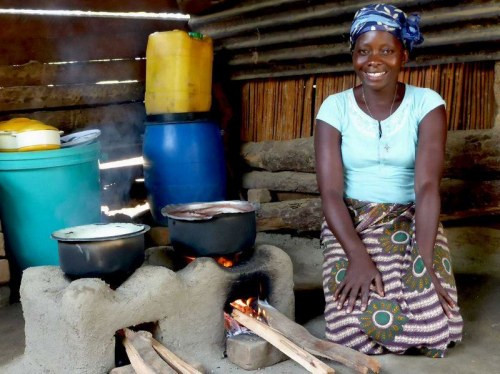
corporate benefits Group. Freiwilliger CO2-Ausgleich für Jahr 2024 supporting climate protection projects:

HIGH EFFICIENCY WOOD BURNING COOKSTOVES IN MALAWI

Malawi

The project involves distribution of fuel-efficient improved cookstoves (ICS) in Malawi.

 The ICS disseminated through this project will replace the baseline cookstoves. Through this project, the distribution and installation of approximately 500,000 ICS will be undertaken for households in Malawi. It is intended that under this project single pot, TLC-CQC Rocket Stove will be distributed. The ICS will burn wood more efficiently thereby improving thermal transfer to pots, hence saving fuel. Not only will this halt the rapidly progressing deforestation in Malawi but will also reduce health hazards from indoor smoke pollution and women and children will have to spend less time collecting firewood.

Category          Standard           
Carbon       |     VCS VER 2342

National Bio Energy Changtu Biomass Power Plant

China

Grid-connected renewable electricity generation
Small scale Biomass, or Liquid Biofuel - Electricity


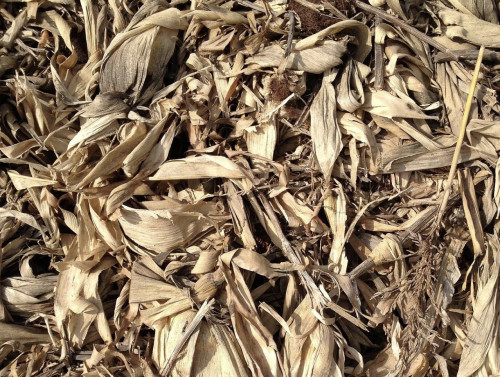
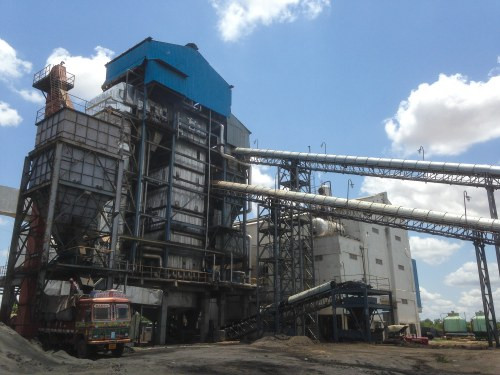
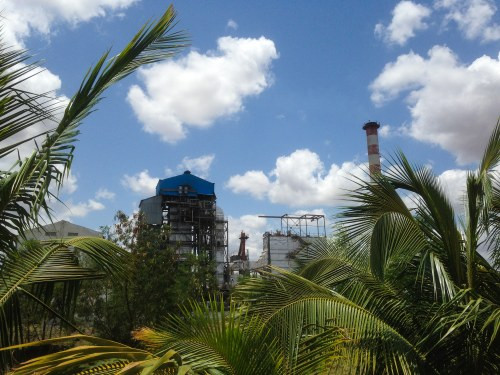
The biomass power plant with the capacity of 12 MW, will utilize local surplus biomass residues (mainly as agricultural biomass residues-corn straw) for electricity. The proposed project will install one 48 t/h biomass-fired boiler with the technology from BWE Company of Denmark. It is estimated that the Project can deliver 81 GWh of electricity to the Northeast China Grid (NECG) utilizing about 113,000 tons biomass residues per year. The utilized biomass by the project, which is all collected from nearby area of the project, has been open burnt or left to decay before the project.

Applus+ Certification confirms that the project is implemented in accordance with the validated and registered PDD and Passport. The monitoring plan complies with the applied methodology AMS-I.D Version 17.0 and the Gold Standard Toolkit Version 2.2, the monitoring has been carried out in accordance with the monitoring plan. The monitoring system is in place and the emission reductions are calculated without material misstatements.


Category          Standard           
Carbon       |      Gold Standard 2503

Renewable Energy from Biomass, UPPPL, India Andhra Pradesh

India

Addressing methane emissions and promoting a sustainable use of resources in rural farms

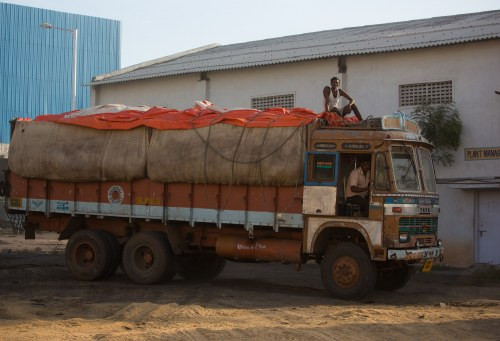
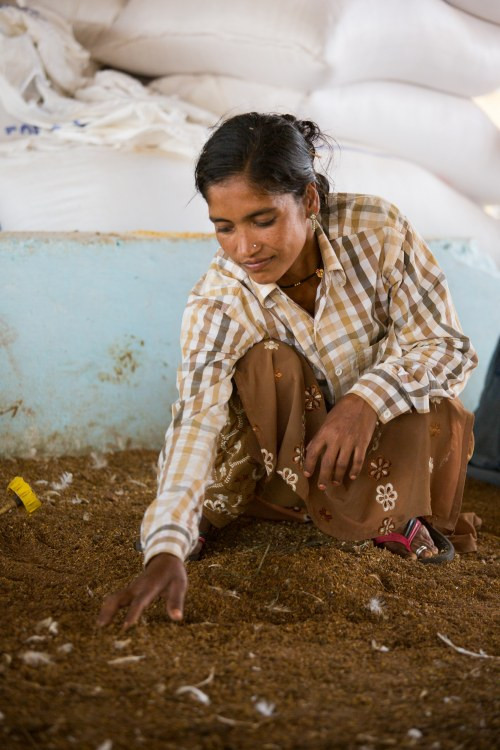
Fueled by poultry litter, this innovative project feeds renewable electricity back to the grid. This displaces electricity from thermal power plants in the Andhra Pradesh region, reducing emissions and supporting the expansion of the renewable energy industry. As the poultry litter is collected rather than left to decay in open fields, odour and sanitation are improved for the local villages, while job opportunities provided by the plant help boost the economy.

The Context 
Prior to the project, litter from the local poultry industry was dumped in landfill pits near the farms, which resulted in methane being released freely into the atmosphere. In the first two decades after its release, methane is 84 times more potent than carbon dioxide in terms of heating up the atmosphere. This project is connected to the Southern Regional Electricity Grid of India, which is dominated by thermal power plants. 

The Project 
The project involves installing a 7.5 MW capacity generator to burn poultry and biomass waste, including litter and rice husks, that will be collected from local farms. Besides the small internal consumption, the energy will be exported to the grid. 

The Benefits 
By feeding into the grid, the project displaces electricity generated from fossil fuels, thus avoiding the associated emissions. In addition, it helps to avoid the methane emissions arising from poultry waste being disposed of in anaerobic lagoons in the surrounding fields. This improves the environment, in terms of sanitation and odor for the nearby villages resulting in better health and living conditions. The project also creates a number of job opportunities, a share of which goes to the local communities, boosting the regional economy, while training provides staff with skills that could help other renewable energy projects flourish 


Category          Standard           
Carbon       |      Gold Standard 3072

TOYOLA Promoting Improved Cooking practices

Nigeria

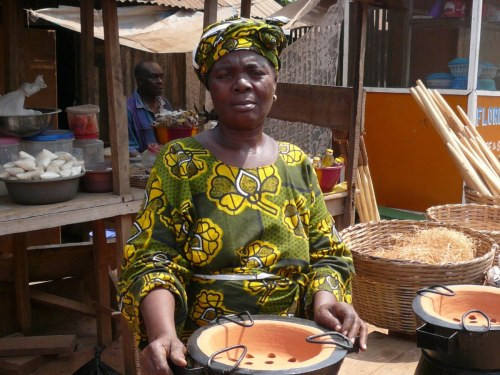
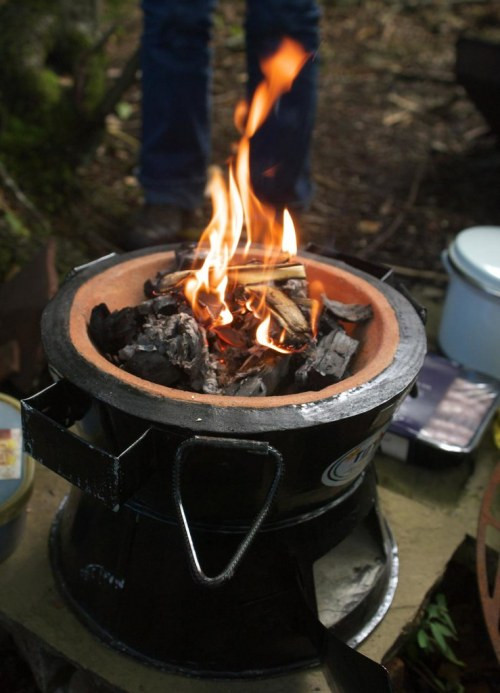
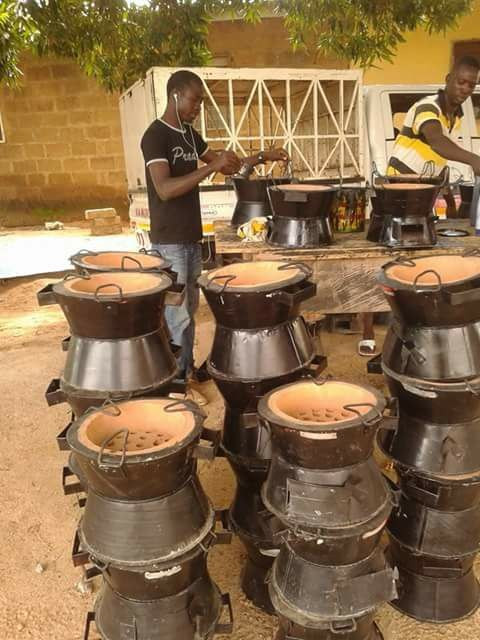
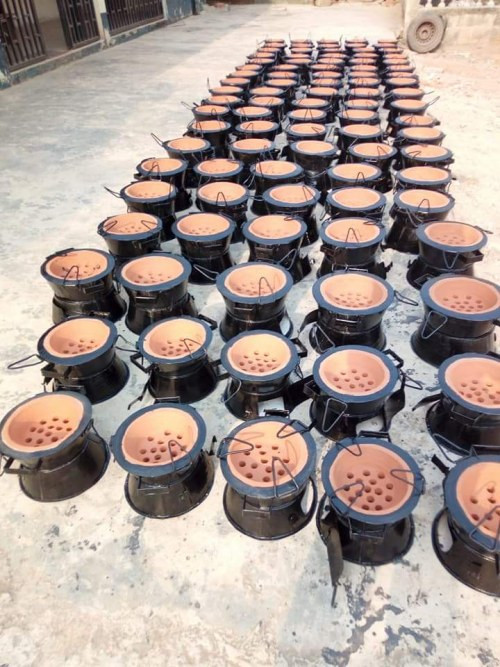
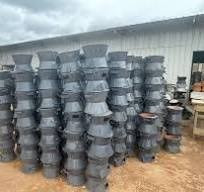
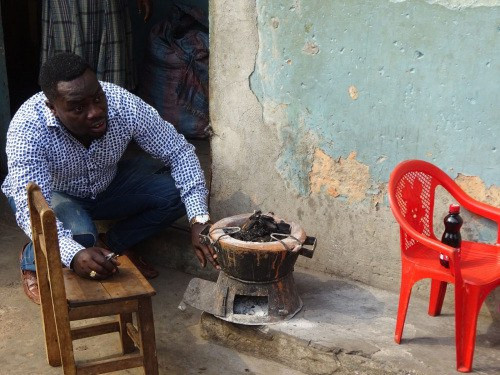
The project involves manufacturing and distribution of efficient charcoal cookstoves that would replace the inefficient cookstoves currently being used in the host country of Nigeria. The project will help thousands of families, small and medium commercial entities in Nigeria and will reduce the Green House Gas emissions.


The project activity involves replacement of existing in-efficient cookstoves being used by majority of Nigerian population with highly efficient Toyola Cookstoves.

Over 71% of Nigeria’s population, mainly poor people, cooks with solid fuel in inefficient traditional Cookstoves and open fires resulting in serious indoor air pollution. Due to this, Nigeria records the highest number of indoor air pollution related deaths, averaging 64,000 annually, especially among women and children in poor families (Source: Clean Cooking Alliance). This is why Toyola Cookstoves is primarily target at the majority, the poor part of the population.

The project described here will reduce greenhouse emissions by disseminating fuel-efficient charcoal stoves. The project is based on work by Toyola Energy Limited (TEL) in clean cookstoves space over past 10 years in various parts of Africa. TEL was established in 2003. It is owned and managed by highly educated and trained entrepreneurs. TEL was part of 50 informal metal artisans selected and trained by EnterpriseWorks Worldwide to fabricate the “GYAPA” charcoal efficient cook stoves.

Category          Standard           
Carbon       |      Gold Standard GS7312

VPA 204 Sierra Leone Safe Water

Sierra Leone

The Micro-Scale VPA 204 Sierra Leone Safe Water project is eligible under the Gold Standard methodology Technologies and Practices to Displace Decentralized Thermal Energy Consumption Version 1.0. 

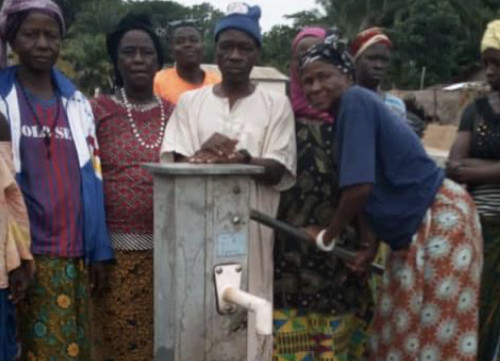
The project will support the provision of safe water using borehole technology to hundreds of households within the Republic of Sierra Leone. 
By providing safe water, the project will ensure that households consume less firewood during the process of water purification and as a result there shall be a reduction of carbon dioxide emissions from the combustion process.

Category          Standard           
Carbon       |      Gold Standard GS7476/7477

GUJARAT 300 MW WIND POWER PROJECT

India

DESCRIPTION

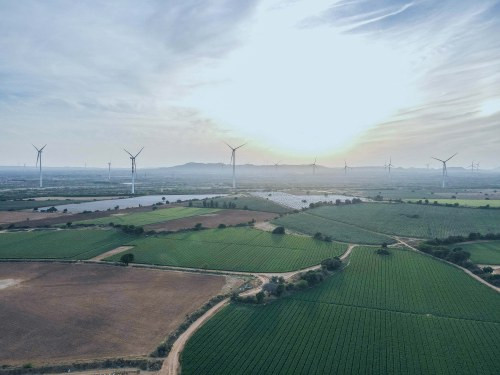
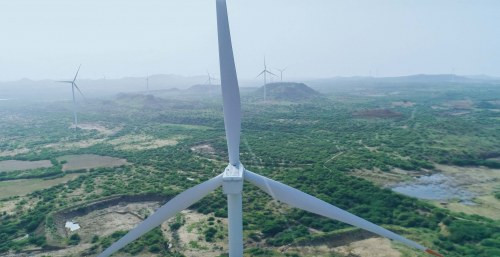
The project activity involves installation of Wind Turbine Generators (WTG’s) in Laximpar village, Kutch district, Gujarat, India promoted by the Alfanar Power Private Limited. The total installed capacity of this project activity is 301.4 MW from 22 WTGs of 2.3 MW each and 114 WTGs of 2.2 MW each.

The entire power generated will be exported to the Indian National Grid.
The project developer has signed power purchase agreement with Solar Energy Corporation of India (SECI)

Category          Standard           
Carbon       |      GS 7745

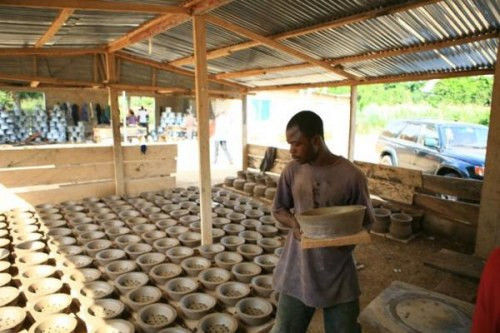
MAN AND MAN ENTERPRISE IMPROVED COOKING STOVES PROGRAMME IN GHANA

Ghana

MAN AND MAN ENTERPRISE IMPROVED COOKING STOVES PROGRAMME

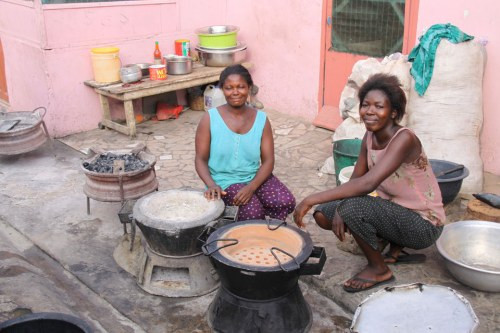
The Gold Standard Project VPA “Man and Man Enterprise Improved Cooking Stoves Programme in Ghana - VPA002”, is carried out within the urban areas of Western region, Ghana, where households mainly rely on charcoal for cooking purposes with inefficient devices. An average of 0.180 t of woody biomass is used per person (for cooking purposes) annually.
The promotion and dissemination of over 400,000 affordable and efficient improved cookstoves (ICS) to low-income Ghanaian households and the associated awareness and training campaigns will help Ghanaian households by replacing currently used traditional coal pot , thus reducing Greenhouse Gas emissions by 413,653 tCO2e/yr.

Category          Standard           
Carbon              GS1385